
Understanding Research-Grade Peptides in Canada: Regulations and Quality Insights

Peptides play a vital role in scientific research, especially in biochemistry and pharmacology. In Canada, the sale and use of peptides are governed by strict regulations that many researchers and suppliers may not fully understand. One common misunderstanding involves the term “research-grade peptides”. This label often leads to confusion about what is allowed, what is safe, and what is legal under Canadian law.
This post explains how Health Canada regulates peptides, what the term “research-grade” actually means, how to recognize high-quality peptides tested by HPLC, and how different peptide formats compare. For a detailed overview, you can also visit Research-Grade Peptides in Canada: Regulations, Quality, and Format Guide (2026).
How Health Canada Regulates Peptides
Health Canada does not recognize “research-grade” as an official regulatory category. Instead, the regulatory focus is on the product’s classification, intended use, and claims made by the seller or manufacturer.
Here is the modified text with proper hyperlinks: For more information, visit Health Canada and Amino Pure Canada.
Many peptides, especially those intended for injection, fall under the drug category. Selling these without proper authorization is illegal.
What “Research-Grade” Really Means
The term “research-grade” is often used to suggest that a peptide is suitable for scientific experiments. While this is true in terms of intended use, it does not imply any official approval or guarantee of quality by Health Canada.
This distinction is crucial for researchers and suppliers to avoid legal issues and ensure compliance.
Key Restrictions on Peptides in Canada
Authorization Requirement
Many peptides, especially injectable ones, are classified as drugs. These require Health Canada authorization before they can be legally sold or distributed.
Limits of “Research Use Only” Label
Labeling a peptide as “research use only” does not exempt it from regulation. If a product is marketed or used for human consumption, Health Canada may classify it as an unauthorized drug, which is illegal.
Advertising Rules
Only authorized health products can be advertised with claims about performance, recovery, or wellness benefits. Unauthorized peptides cannot be promoted with such claims.
How to Identify Premium HPLC-Tested Peptides
High-Performance Liquid Chromatography (HPLC) testing is a standard method to verify peptide purity and quality. When selecting peptides for research, look for:
Certificates of Analysis (CoA) showing HPLC results
Purity levels above 95%
Batch-specific testing to ensure consistency
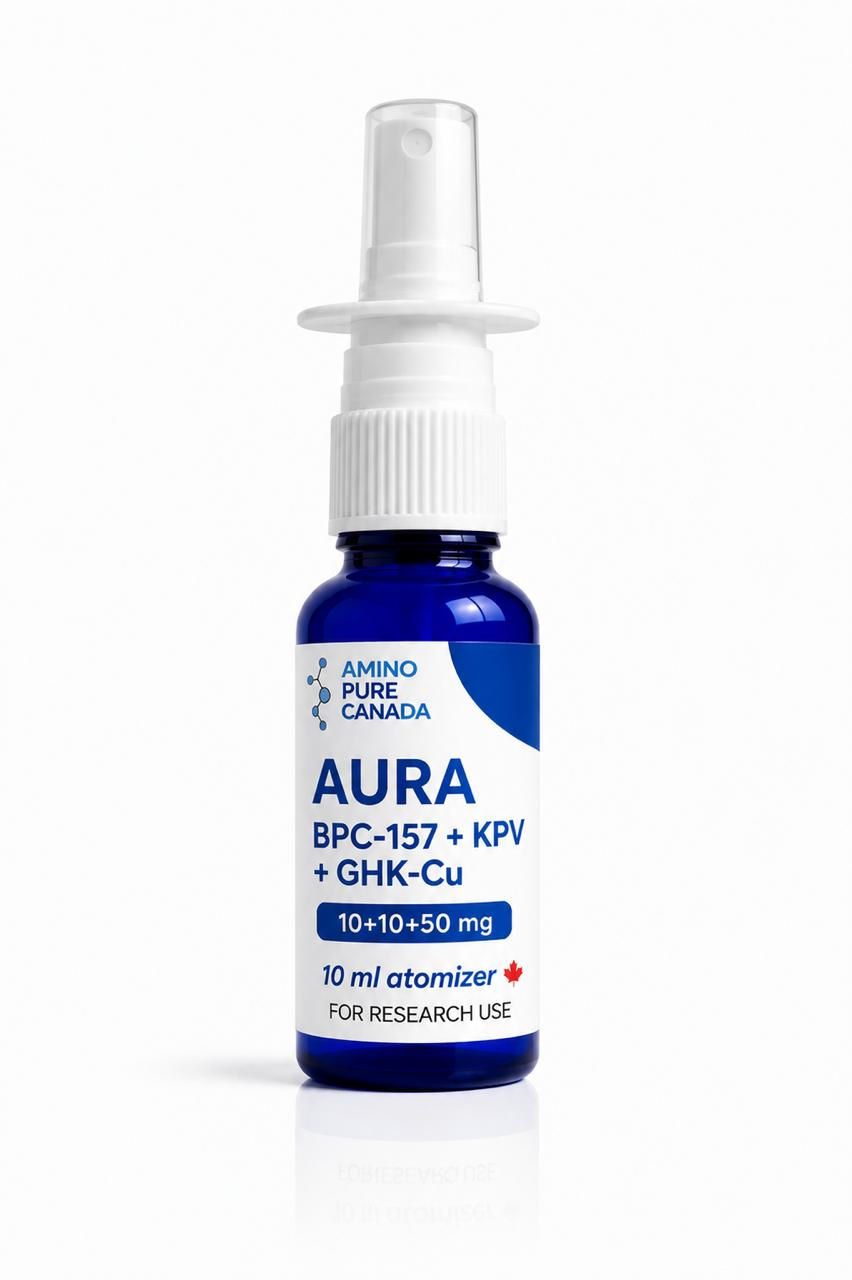
Clear labeling indicating research use only
These factors help ensure the peptide’s reliability for scientific experiments.
Comparing Different Peptide Formats
Peptides come in various formats, each with advantages and disadvantages depending on the research application:
Solution form: Ready to use but less stable, often requires refrigeration.
Choosing the right format depends on your research needs, storage capabilities, and budget.
Practical Tips for Researchers and Suppliers
Always verify that peptides are labeled for research use only and not for human consumption.
Check for Health Canada authorization if peptides are intended for clinical or therapeutic use.
Request and review Certificates of Analysis to confirm peptide purity.
Avoid suppliers who make health claims or suggest peptides are safe for human use without approval.
Stay informed about changes in Canadian regulations to ensure ongoing compliance.

Comments